
Residential Land Clearing: Costs, Process, and What to Expect
A homeowner's overview of the residential land clearing process and the factors that influence cost on a typical residential lot.
Residential land clearing combines two concerns most homeowners share: what does the process involve, and what will it cost? Understanding both helps you plan a realistic budget and choose a contractor who will deliver the results you need.
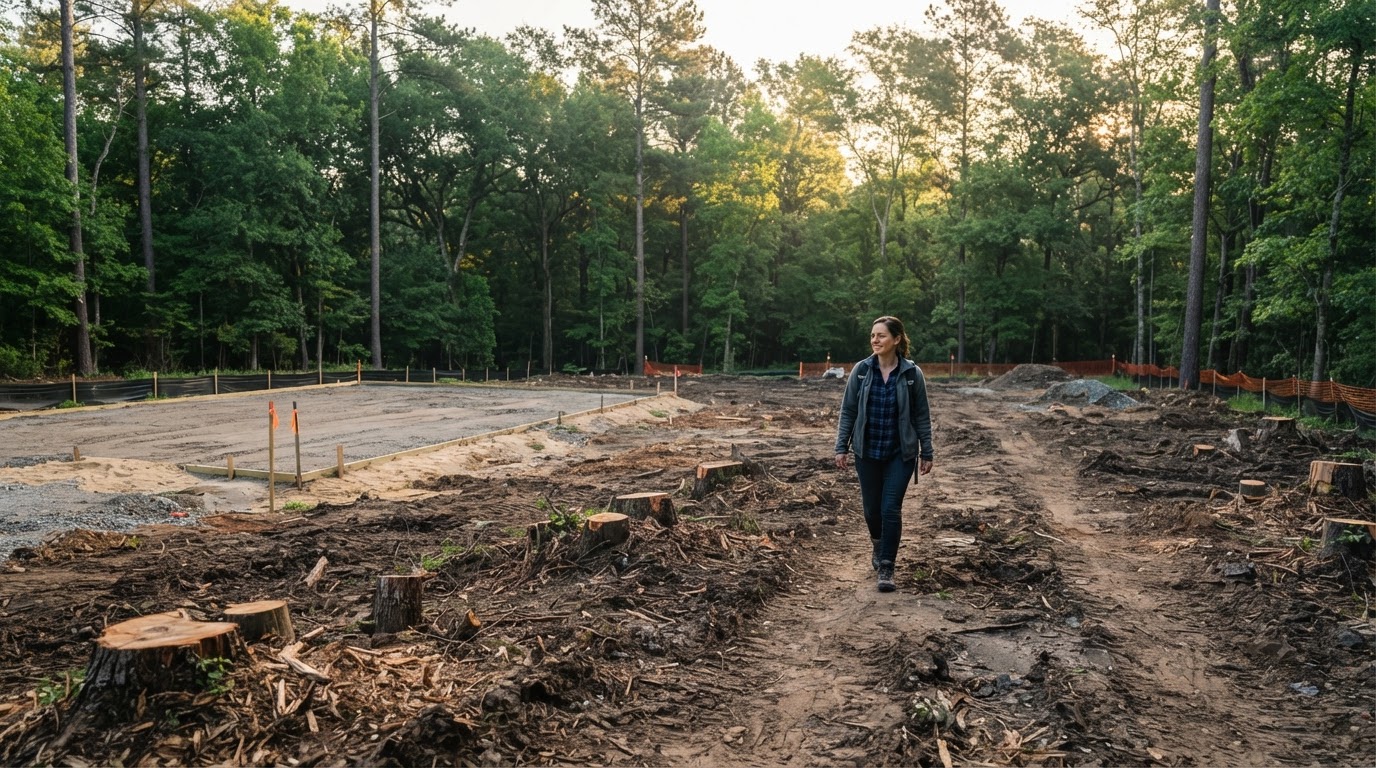
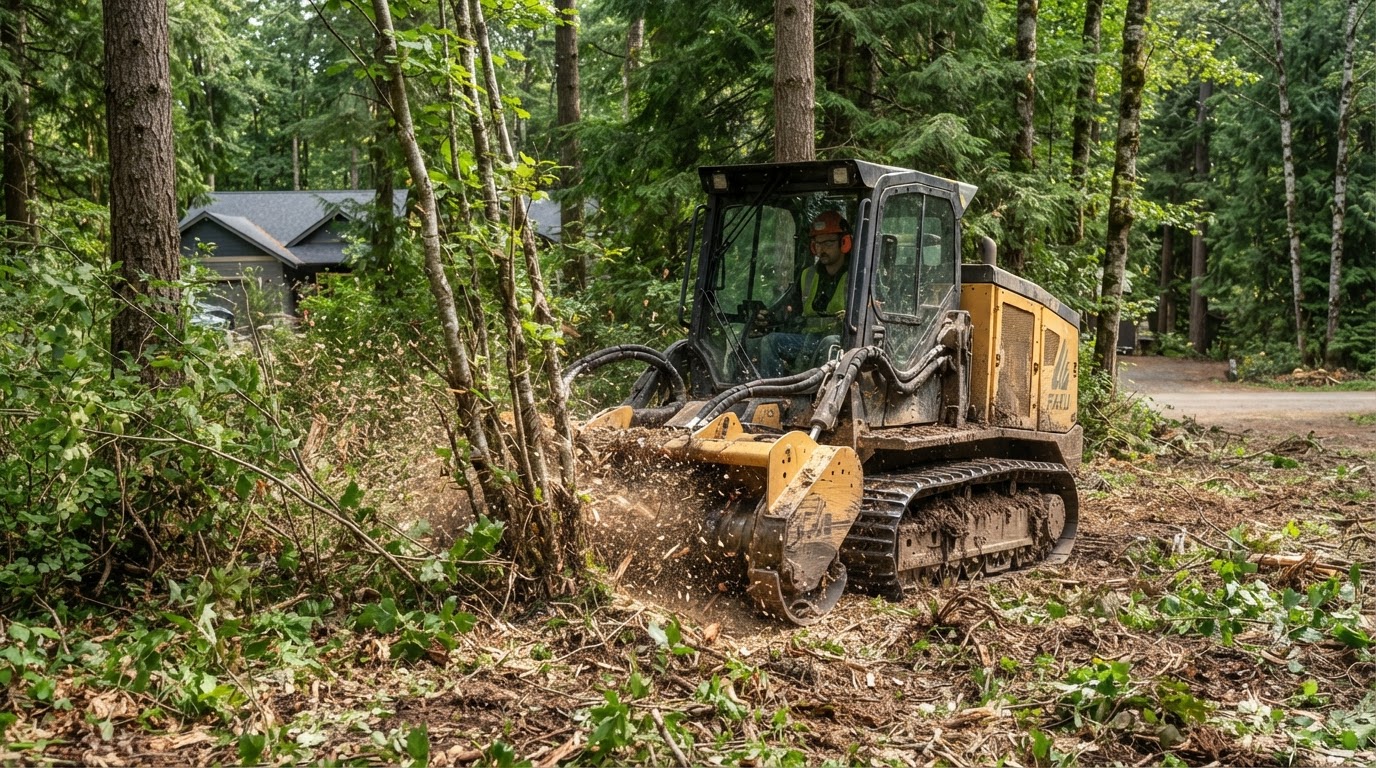
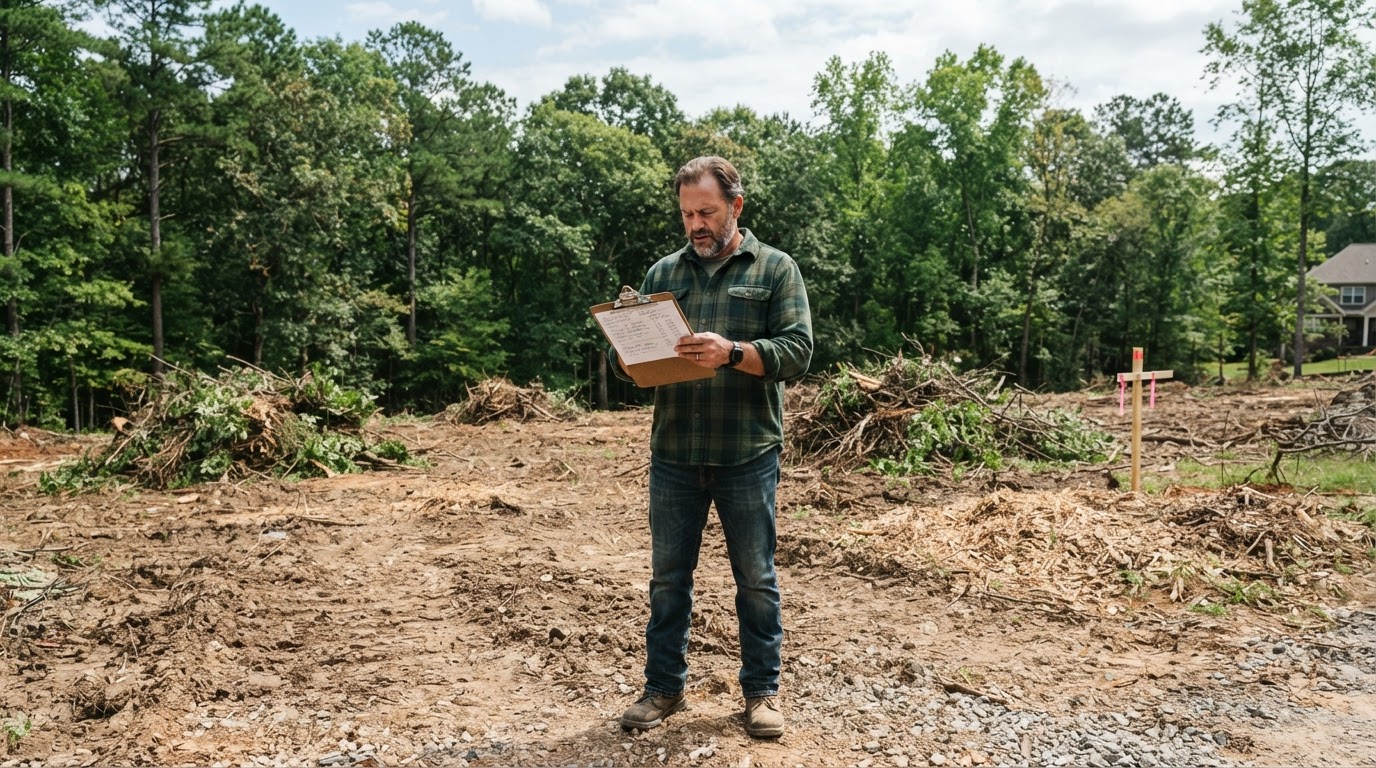
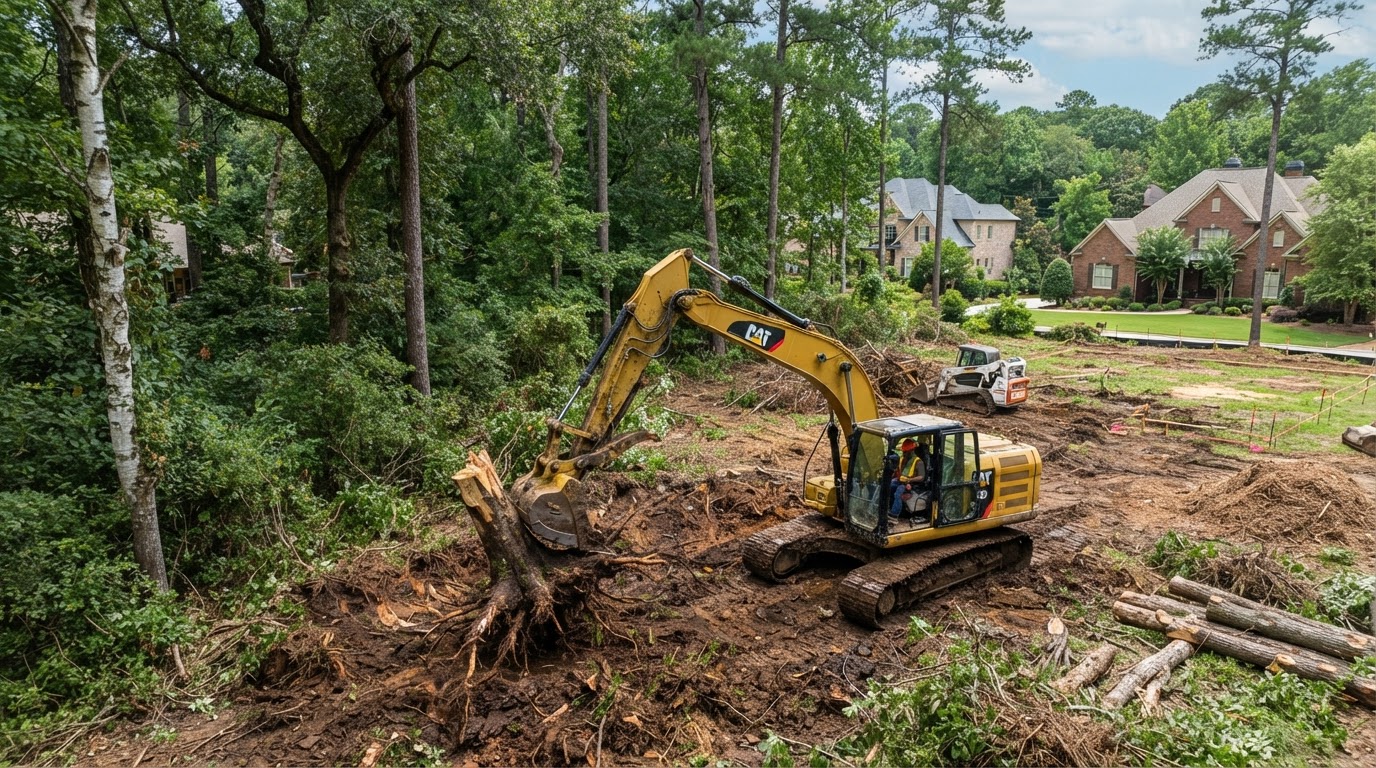
The process usually starts with a site visit and estimate. The contractor walks the lot, identifies what should be removed and what should stay, and recommends a clearing method. From there, the work typically proceeds in phases: tree and brush removal, stump grinding or extraction, debris hauling or mulching, and finally rough grading.
Costs are driven by several variables. The size of the lot in acres is the biggest single factor, but vegetation density, tree size, terrain, soil conditions, and disposal requirements all matter. A flat, lightly wooded quarter-acre costs far less than a steep, densely wooded five-acre parcel.
Stumps are often priced separately. Some contractors charge per stump or per inch of stump diameter, while others include stump grinding in the clearing price. If you are building, confirm stumps will be ground below the final grade to avoid settling under your foundation.
Debris disposal also affects cost. Hauling material off-site adds trucking and disposal fees, while forestry mulching leaves the material on-site as mulch and avoids those charges — but leaves a layer of chips behind. Each approach has a place depending on your goals.
Request itemized estimates from more than one provider and compare them line by line. Use the ResidentialLotClearing.com directory to find residential land clearing contractors in your area and contact them directly for quotes tailored to your lot.
Find a Provider
Browse residential lot clearing providers in your area and reach out directly for a quote.